Search

Fire Performance Cables

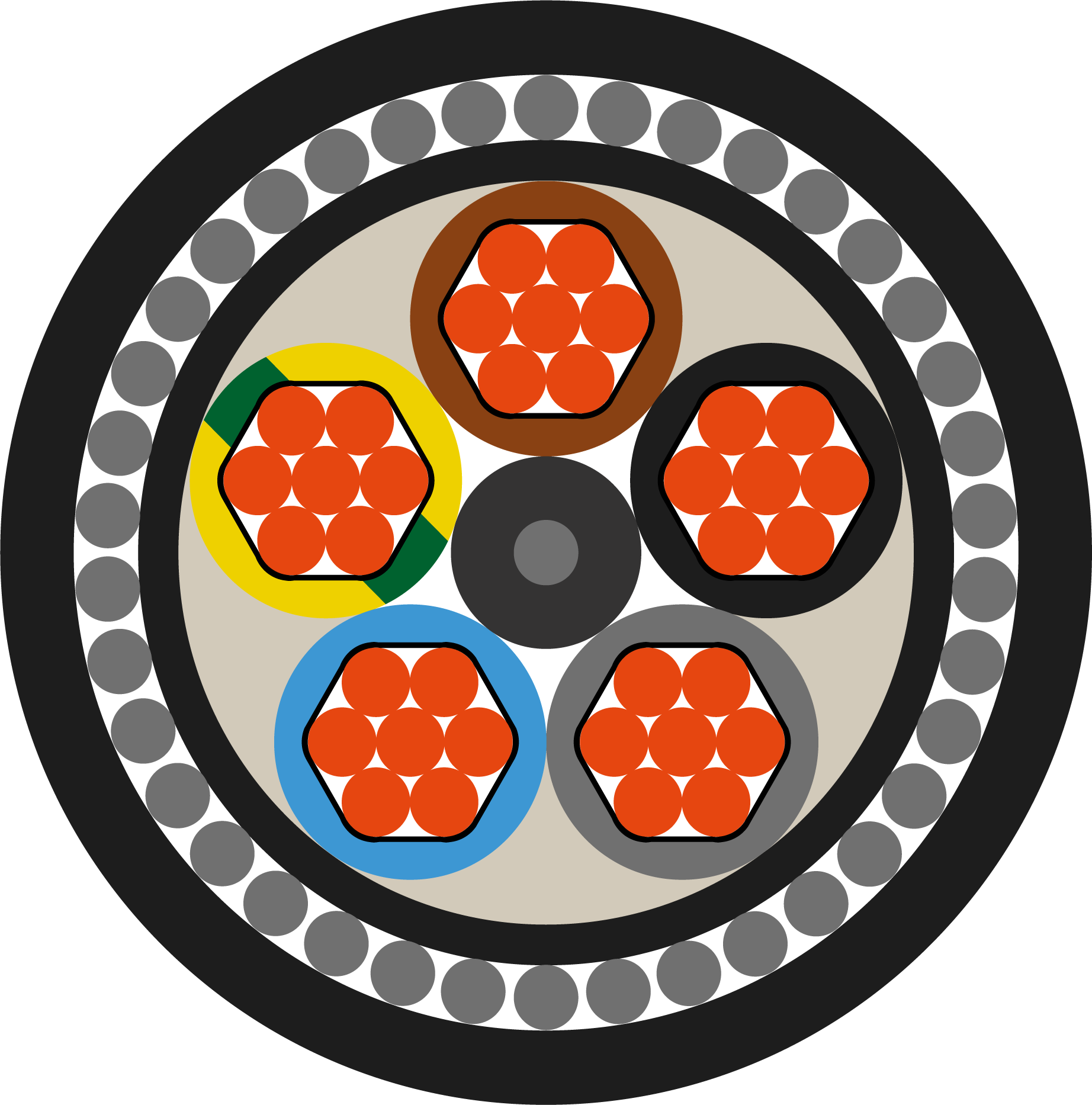
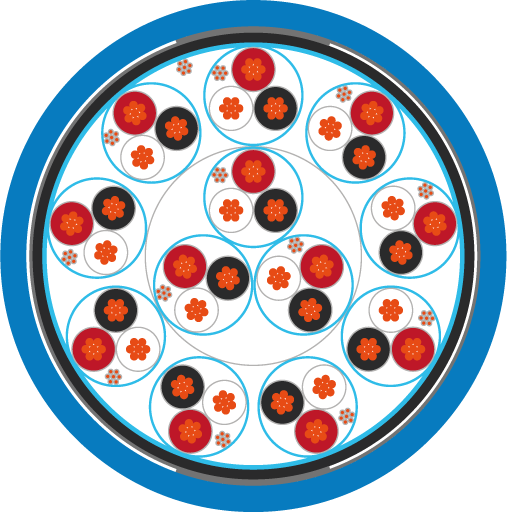
High-quality fire performance cables are engineered to maintain functionality under extreme conditions, ensuring reliable signal transmission and power supply even during fire scenarios. Designed for critical applications, these cables support emergency systems, alarms, and essential communication networks. Featuring fire-resistant insulation and robust sheathing, they undergo rigorous testing to meet stringent international standards, offering durability and safety in high-temperature and high-risk environments. Ideal for industrial, commercial, and public facilities, these fire performance cables deliver resilience and compliance for maximum protection.

Typologies

Accessories

Our catalogue

Discover all our innovative solutions in one comprehensive catalogue.

PROJECTS

Our Successful Projects

Oil&Gas

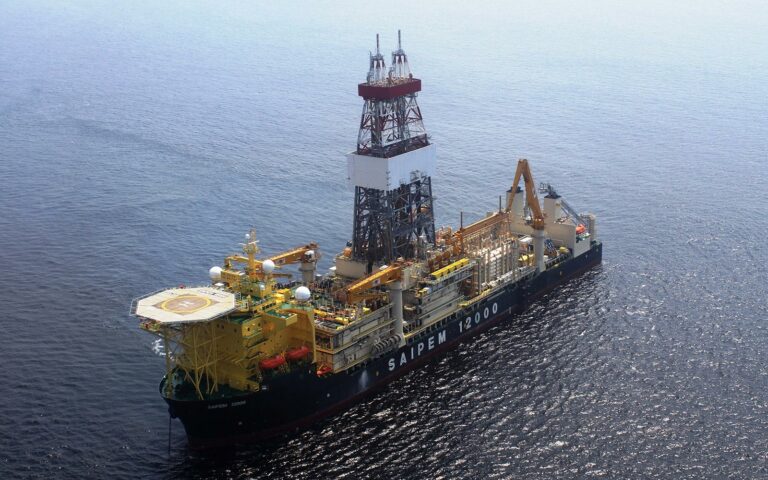
SAIPEM 12000

The SAIPEM 12000 is a 6th-generation ultra-deepwater drillship operating within the Saipem fleet. The unit is engineered for offshore drilling campaigns, including exploration, appraisal and development drilling, as well as well completion operations. Designed for ultra-deepwater environments, the vessel can operate in water depths of up to 12,000 ft and drill wells down to 35,000 ft, supporting complex offshore projects worldwide.

Oil&Gas

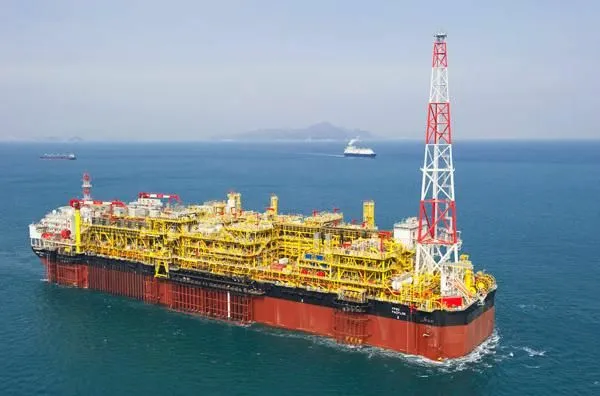
Kaminho FPSO Project

The Kaminho FPSO Project is the development of the offshore Cameia and Golfinho oil fields, located in Block 20/11 of the Kwanza Basin, offshore Angola. It is the first large-scale deepwater development in the Kwanza Basin. The project aims to develop the Cameia and Golfinho fields through a new FPSO connected to a subsea production system.

Bioenergy

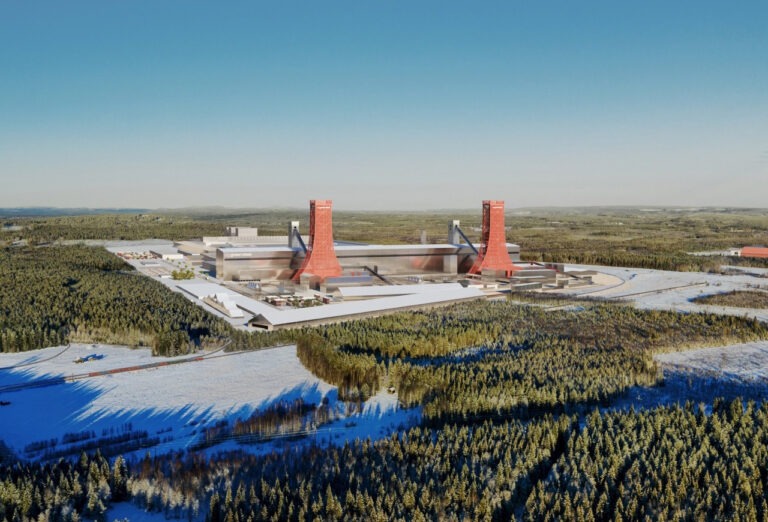
H2GS — Sweden — 2.1 MTPY HDRI and BRI Plant

H2 Green Steel was launched in 2021 in Boden, northern Sweden, is designed to produce 2.1 million tonnes per year of hot direct reduced iron (HDRI) and hot briquetted iron (HBI) using fossil-free hydrogen-based direct reduction technology. The project aims to decarbonize steel production by replacing fossil fuels with renewable hydrogen during the iron reduction process. Integrated with an electric arc furnace (EAF), the plant is expected to reduce CO₂ emissions from ironmaking by up to 95% compared with conventional blast furnace technology, supporting the production of near-zero-emission steel. The start of production is planned in 2026.

Get in touch

Do you have a question or need specific information? 
Write to us and we can best advise you.

Request a quote

Our technicians will be able to support you in analyzing all your needs and identifying the most suitable product for your needs