Search

Manual Samplers

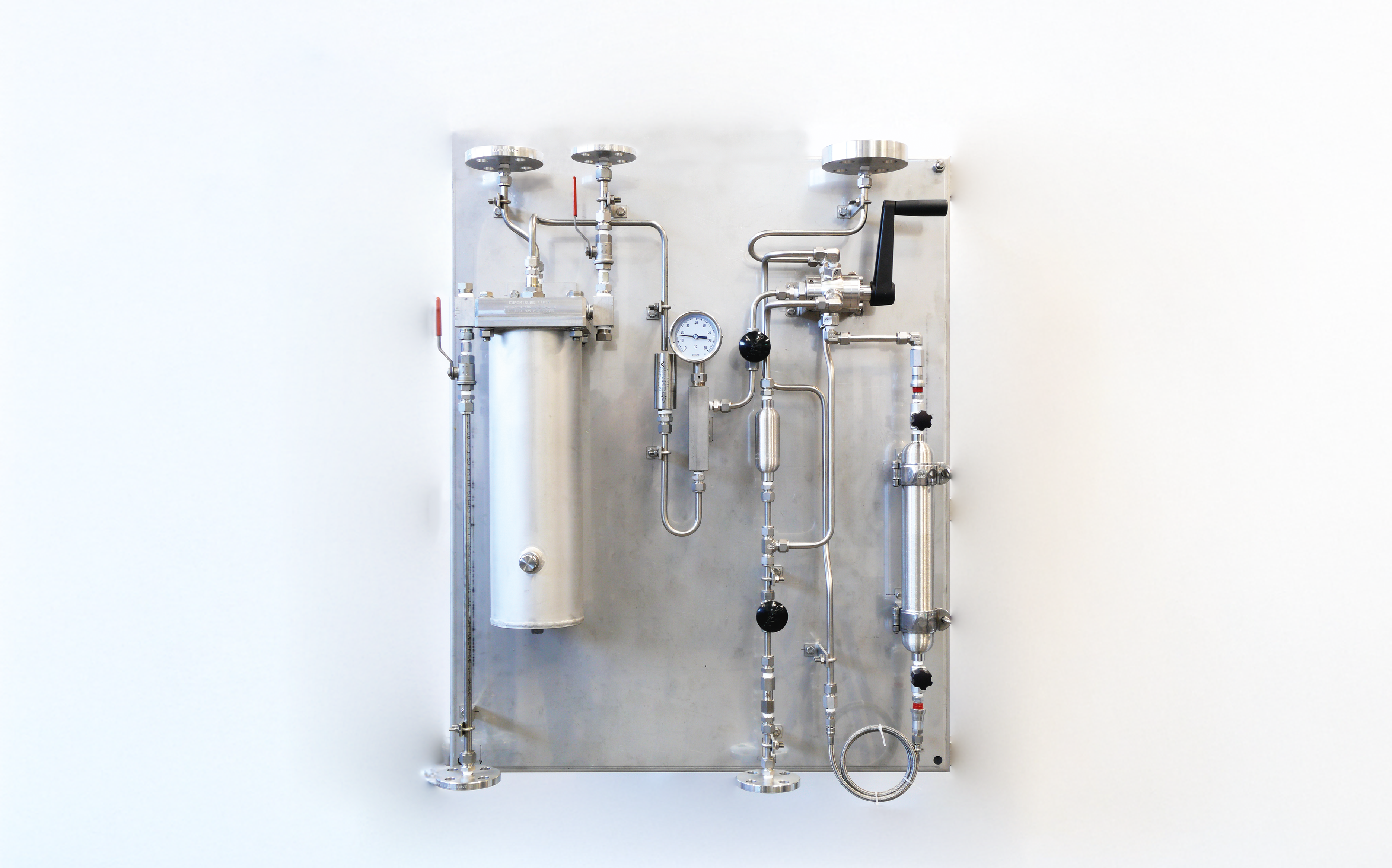
All our systems can be supplied on a selfsupporting rack or suitable for installation on existing poles and are mounted on Painted CS or SS plates where there are installed and tested all the components. Our standard material for components in contact with the fluid is the AISI 316/316L while special materials (e.g. Inconel 625 or Hastelloy C276) are used for those processes with critical pressure and temperature conditions or having contaminants that would physically or chemically affect the SS.
Stream heaters, Purge Systems and filters, Canopies, Cooled / heated / pressurized cabinets can be provided in order to allow the quickest and the safest sampling in any climatic condition.

Our tailored systems are designed and manufactured by us in order to comply with any kind of installation condition and type of process foreseen by customer’s specifications.

Typologies

  • Samplers for liquids

  • Samplers for gases

  • Samplers for multi-phase fluids

Latest successful projects

Oil&Gas

Revamp of the Fluid Catalytic Cracking Unit

The project involves upgrading the Reactor and Regenerator sections of the FCC Unit at Lukoil’s refinery in Bulgaria. This upgrade will boost the unit’s efficiency, enabling it to process more oil and produce higher-quality products. Additionally, it sets the stage for Lukoil’s future investments in the refinery, positioning the company for long-term success in the industry.

Oil&Gas

Algeria JV Gas Project

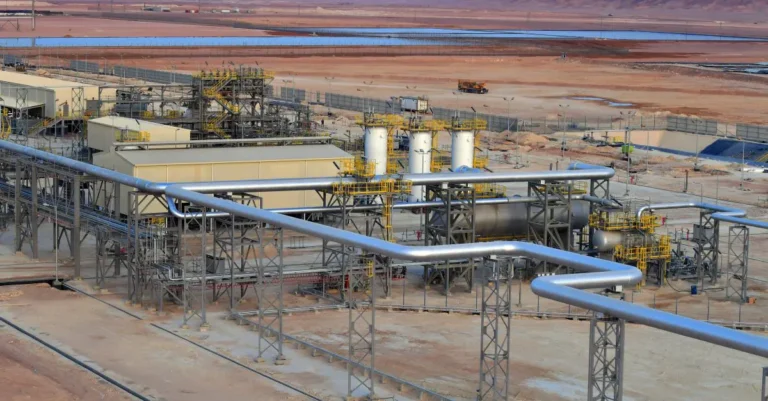
In production since 2004, In Salah Gas is a joint venture between Sonatrach, BP and Statoil (now Equinor). It is Algeria’s largest dry natural gas joint venture and one of the country’s key gas export projects supplying Southern Europe. The project has a production capacity of approximately 9 billion cubic metres of dry natural gas per year from seven gas fields located in the central Algerian Sahara.

Oil&Gas

Abu Attifel and NC 125 Conventional Oil Field

Located onshore Libya, the Abu Attifel and NC 125 fields are active in conventional oil production. Their peak production occurred in 1994, having already recovered 92.14% of their total recoverable reserves. Economic projections indicate that oil extraction will continue until these fields reach their economic limit by 2046. Presently, these fields contribute approximately 5% to Libya’s daily oil output.

Need help?

Get in touch

Do you have a question or need specific information? 
Write to us and we can best advise you.

Request a quote

Our technicians will be able to support you in analyzing all your needs and identifying the most suitable product for your needs

Download the catalogue

Download our PDF catalog to get all the detail information related to this product category